
Why Pediatric Crowns Are Important
One of the most common misconceptions parents hear—or even hold themselves—is: “They’re just baby teeth. They’ll fall out anyway.”
In reality, primary teeth (though you may know them as “baby teeth”) play a critical role in a child’s development, comfort, and future oral health. When those teeth are damaged by decay or trauma, timely and effective treatment matters. Pediatric dental crowns are a trusted, time-tested solution when fillings alone aren’t enough, helping protect young smiles during key stages of growth.
Did you know that February is Children’s Dental Health Month? That makes now the perfect time to focus on preventive care and the foundations of lifelong oral health. In this article, we’ll explore why pediatric crowns matter, how crown needs differ by age, and what defines a high-quality pediatric dental crown.
Why Baby Teeth Matter More Than Many Parents Think
Primary teeth aren’t just placeholders. They’ve got big roles to play in chewing and proper nutrition, speech development, and healthy jaw and facial growth to name a few. Just as importantly, they maintain the space needed for permanent teeth to erupt into proper alignment.
When baby teeth are lost too early due to decay or damage, nearby teeth can drift into the empty space. This can lead to bite problems, crowding, and an increased likelihood of orthodontic treatment later in childhood. According to the American Academy of Pediatric Dentistry (AAPD), premature loss of primary teeth is a well-recognized risk factor for spacing issues and malocclusion (things like underbites, overbites, or crowded teeth).
Pediatric crowns help preserve these teeth when they’ve been significantly weakened from cavities and decay. More than just addressing appearance, these crowns help maintain function and stability.
What is a Pediatric Dental Crown?
A pediatric dental crown is a common, full-coverage restoration that protects a damaged or decayed baby tooth by encasing it entirely. Unlike fillings, which repair only part of a tooth, crowns provide comprehensive protection. This makes them especially effective for teeth that have extensive decay or structural weakness.
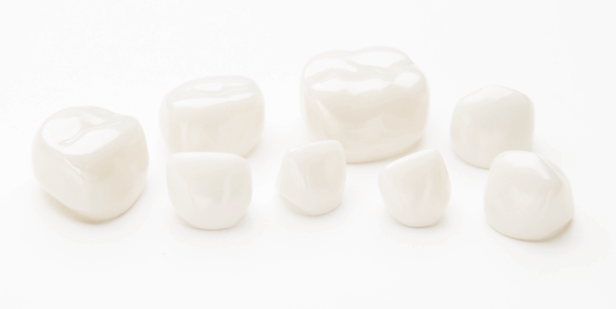
In pediatric dentistry, common crown types include stainless steel crowns and esthetic crown options, which are strong and designed to blend more naturally with surrounding teeth. These crowns are specifically engineered for children’s teeth and oral environments.
Because of their strength and reliability, pediatric crowns are considered a standard of care in many restorative situations, particularly when long-term tooth preservation is the goal.
Crowns Are Important for Kids of All Ages
No matter how old your child is, pediatric crowns can serve an important function. Here’s a quick guide to crowns by age:
Toddlers and Young Children (<6 years old)
Young children are particularly vulnerable to tooth decay. Developing oral hygiene habits, frequent snacking, and certain feeding patterns all contribute to higher cavity risk. The Centers for Disease Control and Prevention (CDC) reports that tooth decay is one of the most common chronic conditions of childhood, even affecting children under age five.
In toddlers, fillings can be difficult to maintain. Small teeth, limited cooperation, and ongoing exposure to decay-causing bacteria increase the risk of restoration failure. Pediatric crowns offer important benefits for this age group:
- They protect severely decayed or weakened teeth
- They reduce the likelihood of repeat dental procedures
- They help prevent early tooth loss during a critical stage of development
By providing durable, full-coverage protection, crowns help maintain stability while a child’s mouth continues to grow.
Ages 6–10: The Mixed Dentition Stage
As children enter the mixed dentition phase (when adult teeth start coming in), parents often ask: “If the tooth is going to fall out, why crown it?” The answer lies in timing and function. Some primary molars don’t fall out until ages 10–12, meaning they still play a vital role for years.
During this stage, primary molars:
- Maintain space for permanent teeth
- Support proper bite alignment
- Withstand increasing chewing forces
Crowns help these teeth do their job until the right time, reducing the risk of shifting, crowding, and future orthodontic complications.
When is a Pediatric Crown Typically Recommended?
Pediatric dentists may recommend crowns in several common scenarios, including:
- Extensive decay that compromises tooth structure
- Fractured or weakened teeth
- Teeth treated with baby root canals
- Children at high risk for cavities
Crowns are selected not as an aggressive measure, but because they offer predictability and protection when other restorations may fail. Treatment decisions are always individualized, guided by your dentist’s best judgment and each child’s specific needs.
What “High-Quality Pediatric Dental Crowns” Means—and Why Quality Matters
Not all pediatric dental crowns are created equal.
For clinicians, crown selection is a clinical decision that directly impacts outcomes. High-quality pediatric crowns lead to more reliable fits and predictable margins and occlusion. For decades, pediatric dentists have relied on crown systems developed specifically for pediatric care. Manufacturers like Cheng Crowns have helped establish the standards of consistency and durability that clinicians depend on every day.
But what does that all mean for parents? In short: a lot. High quality, well-designed pediatric crowns can:
- Reduce chair time
- Minimize adjustments
- Lower the likelihood of retreatment
- Improve aesthetics and child confidence
This matters not just clinically, but emotionally. Shorter, more predictable appointments mean less stress for children and parents. Quality restorative tools support better experiences at every step of pediatric dental care. When choosing the right pediatric crown, quality does matter.
Protecting Smiles at Every Stage of Childhood
Pediatric crowns play an important role across childhood—from protecting vulnerable toddler teeth to supporting proper alignment as adult teeth start growing in. During Children’s Dental Health Month and beyond, education, prevention, and early intervention are all co-equal keys that will lead to lifelong healthy smiles.
Ultimately, protecting baby teeth with dental crowns isn’t about treating “temporary” problems. It’s about supporting lasting outcomes. Thoughtfully designed pediatric crowns help ensure that today’s care supports tomorrow’s healthy smiles.
To learn more about pediatric crown solutions designed specifically for growing patients, browse Cheng Crowns’ full suite of products here: Our Pediatric Crowns